

Trusts Explained: A Complete FAQ Guide by Frame & Frame
Estate planning involves many important decisions, and one of the most effective tools available is a trust. Trusts allow individuals and families to protect assets, provide for loved ones, and ensure that property is distributed according to their wishes. Many people believe trusts are only necessary for wealthy families, but they can benefit people from many financial backgrounds.
The estate planning attorneys at Frame & Frame have served their community for more than 70 years. Their experience helps clients build estate plans that protect their assets and support their families for generations. This FAQ guide explains what trusts are, how they work, and which types may be useful for different situations.
What Is a Trust?
A trust is a legal arrangement that allows a person to place property or assets under the management of a trustee for the benefit of another person, known as the beneficiary. The person who creates the trust is called the grantor.
One of the main advantages of a trust is that it allows assets to bypass probate. Probate is the court process that supervises the distribution of a person’s estate after death. This process can take time, generate legal expenses, and become part of the public record. A trust allows property to pass to beneficiaries privately and often more efficiently.
Trusts can also help with tax planning when an estate is large. They may reduce certain taxes while protecting wealth that will eventually pass to family members. In addition, trusts can help safeguard beneficiaries who might face financial risks or who rely on public benefits programs.
Another common use of trusts is to protect individuals who could lose government benefits if they receive an inheritance directly. By placing assets in a trust instead of distributing them outright, the grantor can provide financial support without disrupting eligibility for programs such as Supplemental Security Income or Medicaid.
Trusts are flexible tools that can be customized to meet a wide range of estate planning goals.
Who Should Consider Creating a Trust?
Many families can benefit from including a trust in their estate plan. Trusts are not only for wealthy individuals. They can provide practical advantages for people who want more control over how their assets are managed and distributed.
A trust may be useful if you want to avoid probate, maintain privacy in estate matters, or provide financial support for children and future generations. Trusts can also help protect assets from certain risks and ensure that beneficiaries receive financial assistance in a structured and responsible way.
Individuals who want to plan for long term care expenses or protect assets for heirs may also benefit from establishing a trust. The specific type of trust used will depend on your financial situation and family needs.
What Types of Trusts Are Available?
There are many different types of trusts used in estate planning. Each type serves a different purpose and addresses specific financial or family concerns. When creating a trust, it is important to choose a structure that aligns with your goals and circumstances.
Below are several common types of trusts that estate planning attorneys often review with clients.
Revocable Trust
A revocable trust is one of the most common estate planning tools. It is sometimes called a living trust.
This type of trust can be changed or revoked during the grantor’s lifetime. Because it remains flexible, the grantor can adjust the terms if family or financial circumstances change.
Revocable trusts help property pass to beneficiaries outside of probate. The assets remain under the grantor’s control during their lifetime, but the trust provides instructions for how those assets should be distributed after death. In some cases, the trust can also allow assets to remain in trust for several generations.
Irrevocable Trust
An irrevocable trust differs from a revocable trust because its terms generally cannot be changed once it is created. When assets are transferred into this type of trust, they are no longer considered the personal property of the grantor.
Because of this change in ownership, irrevocable trusts can provide certain tax planning benefits. They are sometimes used as a strategy to reduce estate taxes for individuals with larger estates.
Although the grantor gives up direct ownership of the assets, the trust can still be structured to provide financial benefits or access to funds according to the terms established when the trust was created.
Special Needs Trust
A special needs trust is designed to protect beneficiaries who rely on public benefits due to a disability.
Government programs such as Supplemental Security Income and Medicaid have strict asset limits. If a person receives an inheritance directly, even a relatively small amount could cause them to lose eligibility for these programs.
A special needs trust allows funds to be used to improve the beneficiary’s quality of life while preserving access to those benefits. The trust can pay for expenses that government assistance does not cover, such as specialized care, education, or recreational opportunities.
This type of trust helps ensure long term financial support without jeopardizing essential services.
Medicaid or Long Term Care Planning Trust
The cost of long term care continues to rise, especially for nursing homes and assisted living facilities. Without proper planning, many individuals are forced to spend their life savings or sell important assets to pay for care.
A Medicaid trust or long term care planning trust allows individuals to place certain assets into a trust so they may qualify for Medicaid benefits while protecting those assets for their family.
This strategy can help preserve a lifetime of savings and ensure that property such as a family home remains part of the family’s legacy.
Charitable Trust
A charitable trust allows individuals to support charitable causes while also gaining potential tax benefits.
This type of trust can reduce the overall taxable estate and may help minimize gift taxes during the grantor’s lifetime. At the same time, it allows individuals to direct funds toward organizations and causes that are meaningful to them.
Charitable trusts can be an effective way to combine philanthropy with thoughtful estate planning.
Generation Skipping Trust
A generation skipping trust transfers assets directly to grandchildren or later generations rather than passing them first to children.
This approach can reduce estate taxes that might otherwise apply when wealth is transferred between multiple generations. By skipping one generation in the transfer process, families may preserve more of their assets for the future.
Generation skipping trusts are often used by families who want to protect wealth and keep it within the family for many years.
Spendthrift Trust
A spendthrift trust is designed to protect trust assets from creditors and to ensure responsible management of funds for the beneficiary.
In this type of arrangement, a trustee controls the assets and distributes funds according to the rules established in the trust. This structure can be helpful if a beneficiary has difficulty managing money or may face financial pressures from creditors.
Because the beneficiary does not directly control the assets, the funds are better protected and used according to the grantor’s intentions.
Marital Trust
A marital trust is often used by married couples as part of their estate planning strategy.
When one spouse dies, certain assets may be transferred into the marital trust. The income generated by those assets is then provided to the surviving spouse during their lifetime.
After the surviving spouse passes away, the remaining assets are distributed to the couple’s heirs. This structure allows the surviving spouse to receive financial support while preserving the inheritance for children or other beneficiaries.
What Is a Trustee and What Are Their Responsibilities?
A trustee is the person or institution responsible for managing the trust and carrying out its instructions. Trustees have fiduciary duties, which means they must act in the best interests of the beneficiaries.
The trustee may be responsible for managing investments, maintaining records, buying or selling property, and distributing funds according to the terms of the trust.
Because the trustee plays such an important role, selecting someone who is responsible, trustworthy, and capable of handling financial matters is essential.
Planning Your Trust With Frame & Frame
Trusts provide powerful options for protecting assets and supporting loved ones. The type of trust that works best for your situation depends on many factors, including family needs, financial goals, and potential tax considerations.
The experienced estate planning attorneys at Frame & Frame help individuals and families evaluate these factors and design trusts that align with their long term goals. With proper planning, a trust can provide stability, financial protection, and peace of mind for generations to come.
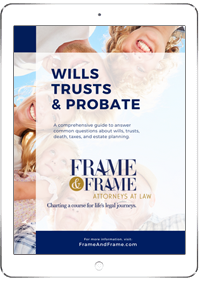 Guide to Wills, Trusts, & Probate
In this free guide, we debunk common myths about wills, trust, and probate. In addition, we answer common questions like:
- What is the difference between a will and a trust?
- What legal documents should a simple will contain?
- What documents you’ll need to make health care decisions for a family member
- What is probate and why you should care?
- How to create a will for blended families & families with special needs
To download the free guide, please complete the form here.